EYE HOSPITAL
In short
An eye hospital provides assessment and treatment for conditions affecting vision, the eye and surrounding structures. Choosing a service should take account of the condition being investigated, the clinicians' relevant expertise, available diagnostic facilities and the arrangements for continuing care.
View referencesSUBJECT TITLES (10)
Eye hospitals and eye health centres assess and treat eye conditions. Available specialties, anaesthesia arrangements and emergency services vary by facility and should be confirmed with the selected centre.
Veni Vidi Eye Centers Making an Appointment
Eye examinations and eye treatments can be performed by making an appointment with the doctors working in the eye hospital and eye center. Making an appointment at the eye hospital and making an appointment at Veni Vidi Eye Centers follow the same procedure.
Oculoplastic Surgery
Oculoplasty is a set of methods that include a number of procedures to eliminate various congenital aesthetic problems around the eyes. Oculoplasty literally refers to various methods, from obstruction of the tear ducts to deformation of the eyelids and making prostheses. These methods can be used to rejuvenate the eye and related areas or give them a new look. Blepharoplasty, or eyelid aesthetics, includes procedures such as removing sagging eyelids, removing fat and various glands on the lower and upper lids, and removing under-eye bruises.
Yellow Spot Disease
Macular yellow spot (macula) is the name given to the part of our eye that is responsible for vision. In some people, deformations may begin to occur in the cells in the macular area (macular) area with advancing age. This deformation is called age-related macular degeneration. The name of the disease in ophthalmology terminology is macular degeneration, and it is popularly called macular degeneration. There are two types of macular degeneration: wet and dry type. Treatment depends on the type and stage. Injections are used for selected conditions such as wet AMD; a magnification approach does not treat the underlying disease and is not suitable for everyone.
Pediatric Ophthalmology and Strabismus
Early diagnosis is very important in treating strabismus. Childhood screening and eye-examination schedules depend on age, findings and risk factors. A suspected squint or visual problem should be assessed without waiting for a routine check. If the controls are neglected, lifelong vision problems and aesthetic deformations may occur. With developing technology, there are devices in eye hospitals that make the examination process easier for children and provide more accurate results.
Glaucoma (Eye Pressure)
Glaucoma damages the optic nerve; it is not abnormal nerve growth. High eye pressure is an important risk factor, but glaucoma can also occur at normal pressure. Treatment may include drops, laser or surgery according to the diagnosis. It aims to protect remaining vision, does not restore established loss and cannot guarantee prevention of all further damage. Ongoing monitoring is essential.
Cataract Surgery
Cataract is when the lens of the eye, located just behind the pupil, loses its transparent structure over time and becomes opaque. Cataract can occur for various reasons. The only permanent method for cataract disease that progresses over time is surgery. Single focal, bifocal, bifocal or trifocal (smart lens) applications can be performed depending on the patient's needs and suitability determined as a result of various examinations. Cataract surgery applications can be performed in the operating rooms of eye health centers as well as in the operating room environment of the eye hospital.
Corneal Diseases
The transparent layer in the front area of the eye is called cornea. The cornea is the first layer through which the rays coming into our eyes enter our eyes. Corneal health plays an important role in vision. Disturbances occurring in this layer may disrupt the transparency of the cornea and cause a decrease in vision. Treatment of corneal diseases can be applied in eye hospitals and centers. Treatment varies depending on the type and level of the disease.
Results of any surgical or interventional procedure can vary from person to person. Consult your physician in detail before a procedure.
Retinal Diseases
The nerve layer at the back of our eye is called the retina. Through the retina, images are transmitted to the brain through various nerve cells. Treatment of disorders occurring within the retina layer may vary depending on the stage at which they are diagnosed. Treatment is mostly in the form of surgical intervention or laser operation. In eye hospitals and eye health centers where retinal diseases can be diagnosed and treated, many different retinal diseases such as retinal detachment, retinal tear, macular degeneration, premature retinopathy and diabetic retinopathy can be treated.
What are the treatments at Eye Hospitals and Eye Health Centers?
Eye Refraction Defects
Various refractive deformations are mentioned when the parallel rays coming to our eyes from an external object cannot be focused on the retina of the eye. These defects are astigmatism (blurred near and far vision), myopia (far vision problem) and hyperopia (near vision problem). Refractive errors may occur depending on the front-back length of the outer surface of our eye and differences in the refraction of the lens or cornea.
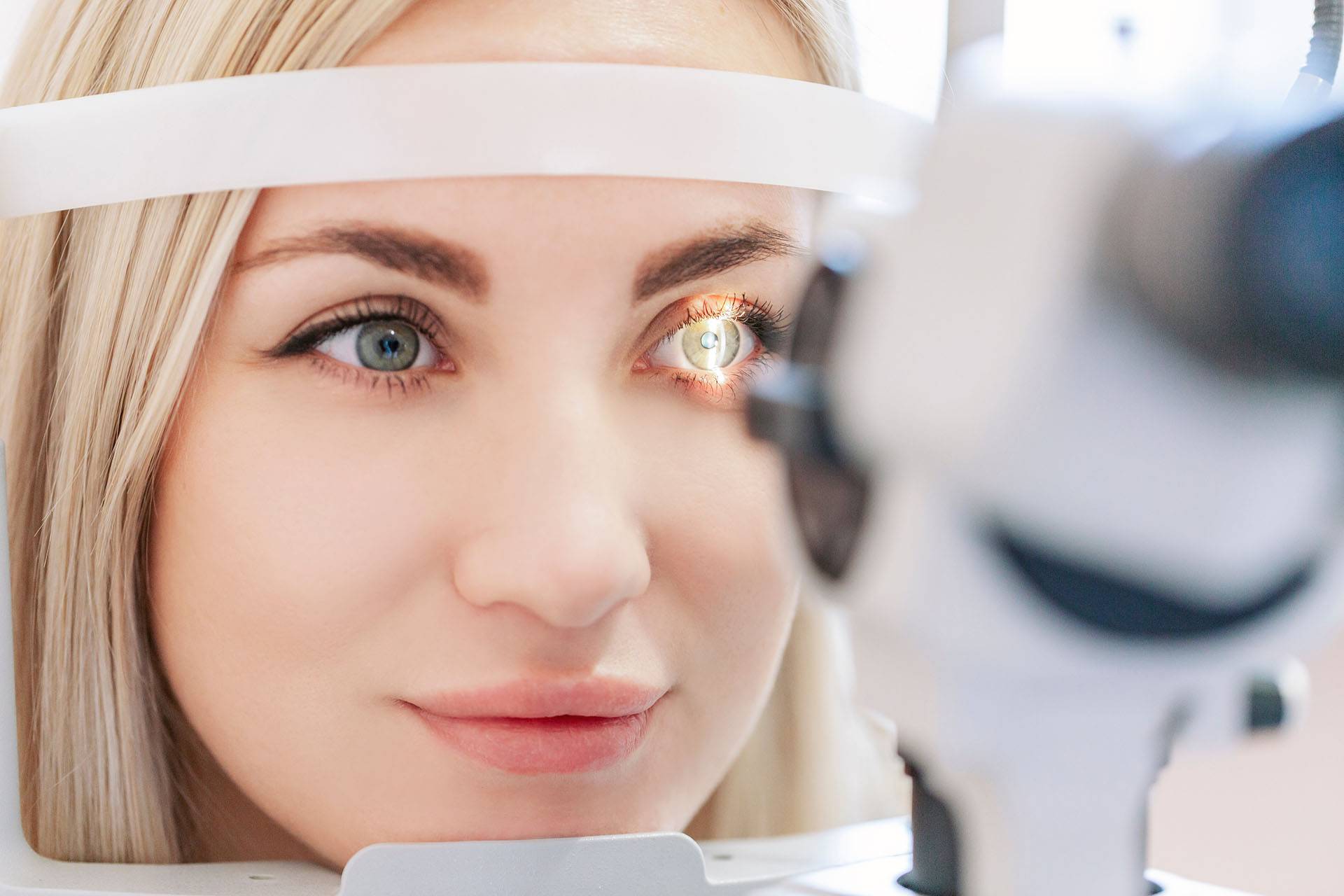
In the eye hospital environment, eye numbers are determined with various measurements, the patient's vision is inspected at certain distances. The appropriate treatment for the visual defect is decided. Refractive errors can be treated with glasses, contact lenses or eye laser surgery for suitable patients.
Results of any surgical or interventional procedure can vary from person to person. Consult your physician in detail before a procedure.
About this health information
This content provides general health information and does not replace an individual diagnosis or treatment recommendation. An eye examination is needed for an assessment of your circumstances.
Content enquiries and correction requests: [email protected]